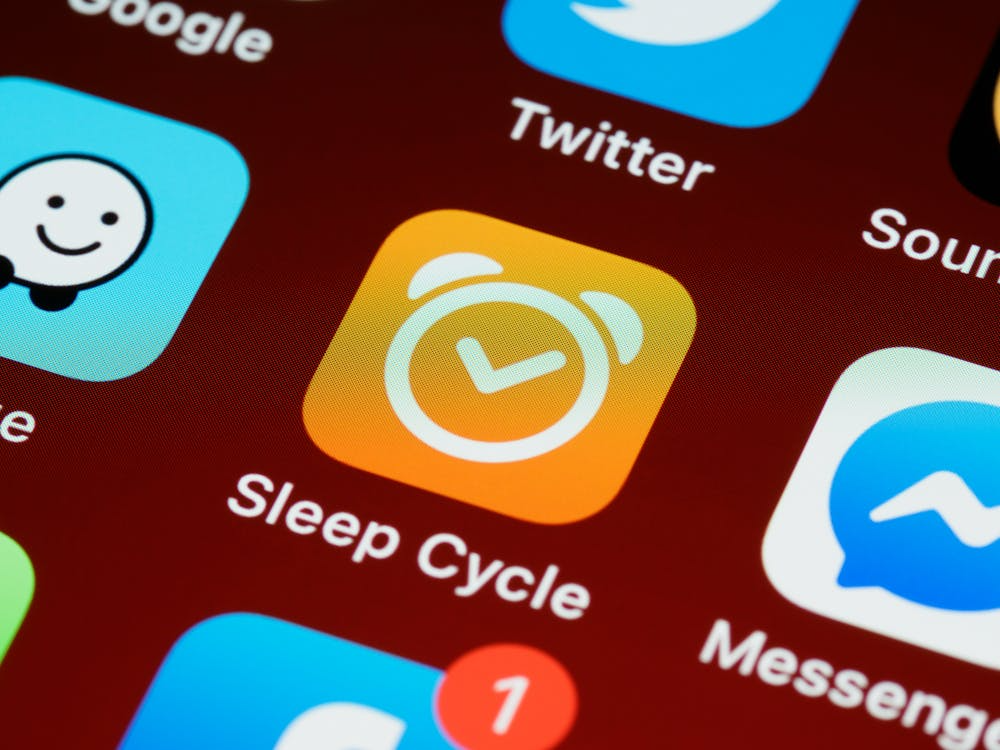
What was once private has become performative. Sleep is no longer just about rest. It is about identity.
Sleep was once considered a basic necessity. People went to bed after they finished work or when exhaustion forced a pause. Modern wellness culture has rebranded sleep into a project. Apps track it, devices score it, and routines optimize it. People share it, compare it, and treat it as proof of discipline, balance, and self-mastery.
From Neglect to Optimization
For years, lack of sleep was worn as a badge of honor. Hustle culture praised late nights and early mornings as proof of commitment.
As burnout rose, the narrative flipped. Sleep became essential to productivity, longevity, and mental health. This shift was necessary and corrective.
But optimization followed quickly. Sleep quality, duration, and consistency became metrics. Devices quantified rest. Routines hardened.
What began as recovery became another domain to perfect.
Explore Why Optimization Culture Is Making People Tired for performance pressure patterns.
Tracking Turns Rest Into Performance
Sleep tracking tools promise insight. They show patterns, identify disruptions, and encourage better habits.
However, tracking also reframes sleep as an outcome to achieve. Scores create comparison. Bad nights feel like failure.
People wake up judging their rest rather than feeling it. Anxiety about sleep quality can undermine sleep itself.
Rest becomes something to manage rather than experience.
Check out Information Overload and the Cost of Constant Awareness for attention strain parallels.
Sleep as a Signal of Control
In wellness culture, good sleep signals control. It implies schedule flexibility, access to resources, and disciplined routines.
Those who sleep well are seen as doing life correctly. Those who struggle may feel deficient.
This framing ignores reality. Caregiving, shift work, stress, health conditions, and financial pressure all affect sleep.
Turning sleep into a moral signal creates shame where compassion is needed.
The Inequality Embedded in Sleep Culture
Not everyone has equal access to good sleep. Quiet environments, predictable schedules, and time autonomy are privileges.
Wellness narratives often ignore these constraints. Advice assumes control that many people don’t have.
These structural differences mean sleep advice often reflects privilege, even when framed as universal wellness guidance meant for everyone.
When sleep becomes a status symbol, inequality is masked as personal failure.
Rest becomes another way systems reward those already advantaged.
Learn Why Burnout Is a Systems Problem, Not a Personal Failure for structural context.
When Awareness Becomes Obsession
Focusing on sleep can improve habits. Obsessing over it can worsen outcomes.
Hyper-awareness increases pressure. Pressure disrupts relaxation. The paradox deepens.
Sleep works best when allowed to happen, not forced.
The more people try to control it, the harder it becomes.
Reframing Sleep as Care, Not Status
Healthy sleep culture prioritizes compassion over metrics. It treats rest as support, not achievement.
The goal is not perfect sleep, but adequate recovery. Flexibility matters more than scores.
When sleep is framed as care, people listen to their bodies instead of dashboards.
Rest becomes restorative again.
Read The Wellness Industry’s Shift From Products to Practices for evolving wellness models.
Letting Sleep Be Enough
Sleep does not need to prove anything. It does not need to be optimized publicly.
In a culture that measures everything, letting sleep be enough is quietly radical.
True wellness does not require perfect nights. It requires permission to rest without being penalized for performance.
Sleep is not a status symbol. It is a human need.