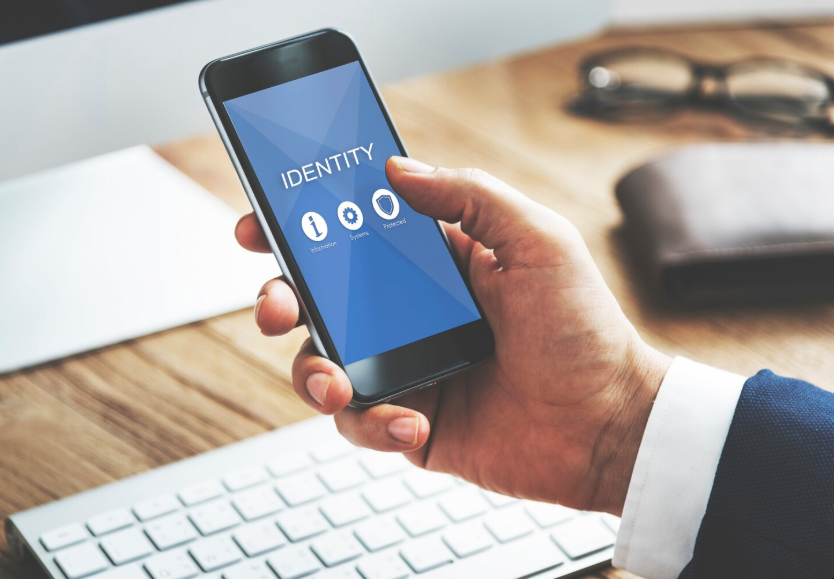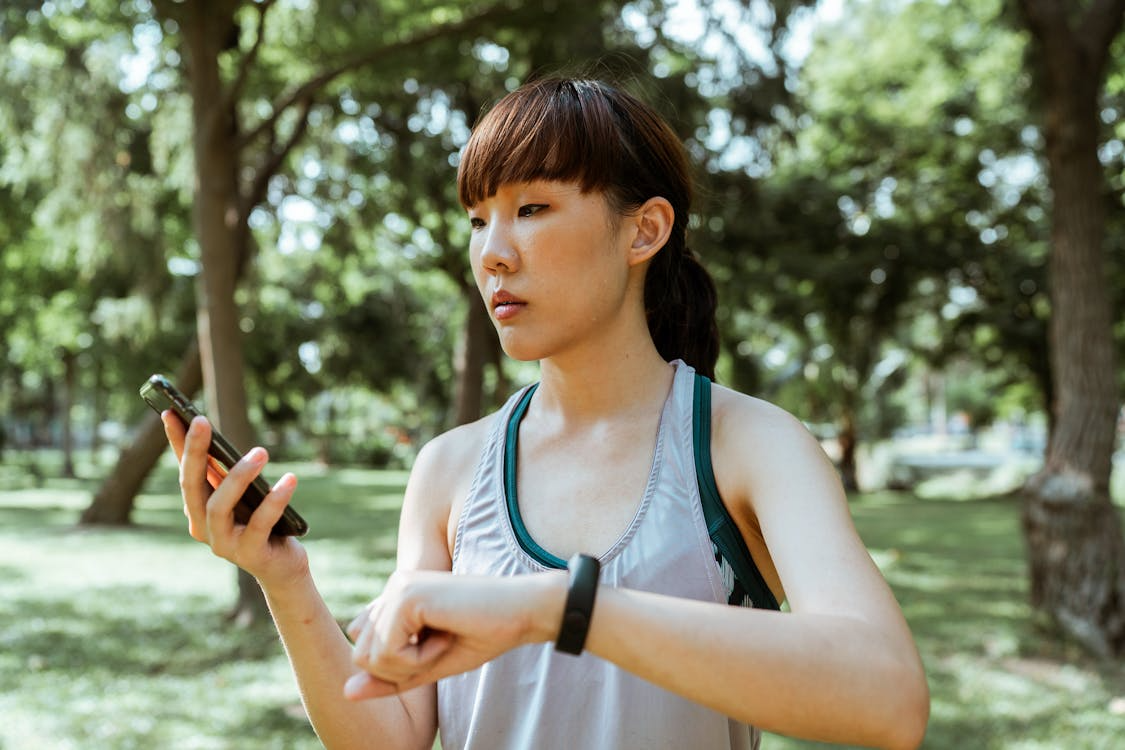
The future of AI in wellness depends on balance. AI personalized wellness can support well-being, but only when it respects human boundaries.
Personalized wellness has long been an aspiration. Diets tailored to bodies, routines shaped to schedules, and care aligned with individual needs. Artificial intelligence finally promises to make this possible at scale.
By analyzing patterns, preferences, and behavior, AI can customize wellness experiences in ways generic advice never could. At the same time, this personalization raises concerns about overreach, dependency, and loss of autonomy.
Why Personalization Feels So Appealing
Generic wellness advice often fails because it ignores context. What works for one person may not work for another, even under similar conditions.
AI offers relevance. Recommendations adapt to behavior, timing, and response. Instead of broad prescriptions, users receive suggestions that feel attuned to their lives.
This relevance increases engagement. People are more likely to follow guidance that fits their reality than to force themselves into idealized routines.
Personalization reduces friction by meeting people where they are.
Explore How Recommendation Algorithms Shape Taste and Identity to understand personalization and behavior shaping.
How AI Enables Adaptive Wellness Support
AI systems can adjust recommendations dynamically. Sleep prompts shift with schedule changes. Movement goals respond to energy levels. Stress interventions adapt to patterns over time.
This adaptability is powerful. Wellness becomes responsive instead of rigid. Users don’t need to constantly recalibrate settings or plans.
When done well, AI removes guesswork. It reduces the cognitive load of managing health decisions while preserving flexibility.
Support feels timely rather than prescriptive.
The Risk of Over-Personalization
Customization becomes problematic when it crosses into control. When systems anticipate needs too aggressively, they can narrow choice.
Over-personalized wellness can create dependency. Users may stop listening to their bodies and start deferring to prompts instead.
There is also the risk of identity narrowing. When recommendations are based on past behavior, systems may reinforce existing patterns rather than encourage growth.
Wellness should expand capacity, not constrain it.
Read Why Optimization Culture Is Making People Tired for insight into tracking fatigue and burnout.
Autonomy as the Core Design Principle
Healthy personalization preserves agency. AI should offer options, not directives.
This means transparency. Users need to understand why recommendations appear and how to adjust or ignore them.
Choice matters. The ability to override, pause, or disengage keeps the system supportive rather than authoritative.
Wellness tools work best when users remain the decision-makers.
Data Boundaries Protect Wellbeing
Personalized wellness relies on sensitive data. Sleep, mood, stress, and health behaviors reveal intimate aspects of life.
Without clear boundaries, personalization can feel invasive. The sense of being constantly analyzed undermines emotional safety.
Responsible systems collect only what is necessary, explain how data is used, and prioritize user control.
Customization should feel collaborative, not extractive.
Check out How Personal Data Became a Wellness Concern for context on privacy tradeoffs.
Avoiding the Illusion of Optimization
AI-driven personalization can drift toward optimization culture. Constant adjustment, scoring, and refinement turn wellbeing into performance.
This undermines the very calm wellness aims to support. When every behavior is tuned, rest becomes another variable.
The future of personalized wellness must resist this trap. Not everything needs to be optimized. Some aspects of health benefit from consistency and acceptance.
Personalization should simplify, not intensify.
See The Quiet Appeal of Low-Stimulation Living for perspective on calmer wellness habits.
A Supportive, Not Directive, Future
The most promising vision of AI-powered wellness treats technology as a quiet assistant. One that notices patterns, offers insight, and steps back.
In this model, AI enhances self-awareness rather than replacing it. It supports reflection without demanding compliance.
Customization becomes a form of care, not control.
The future of AI personalized wellness is not about perfect alignment. It is about respectful support that adapts without overreaching.