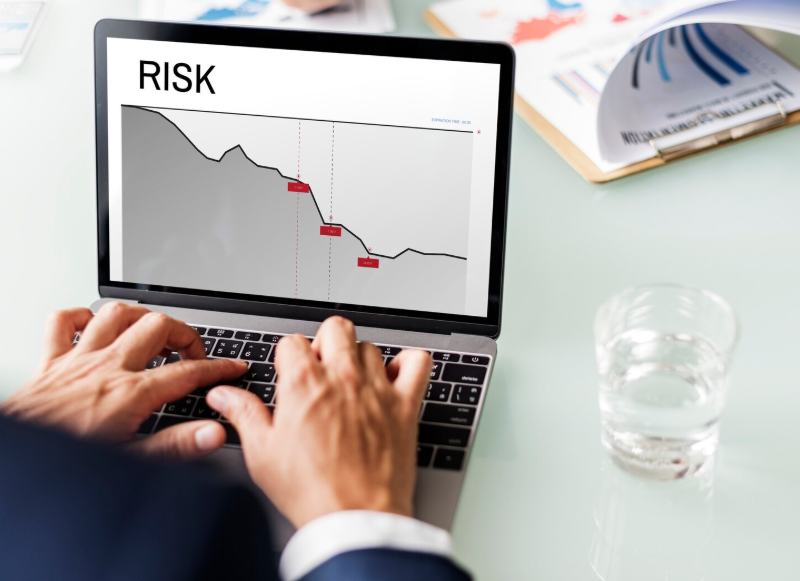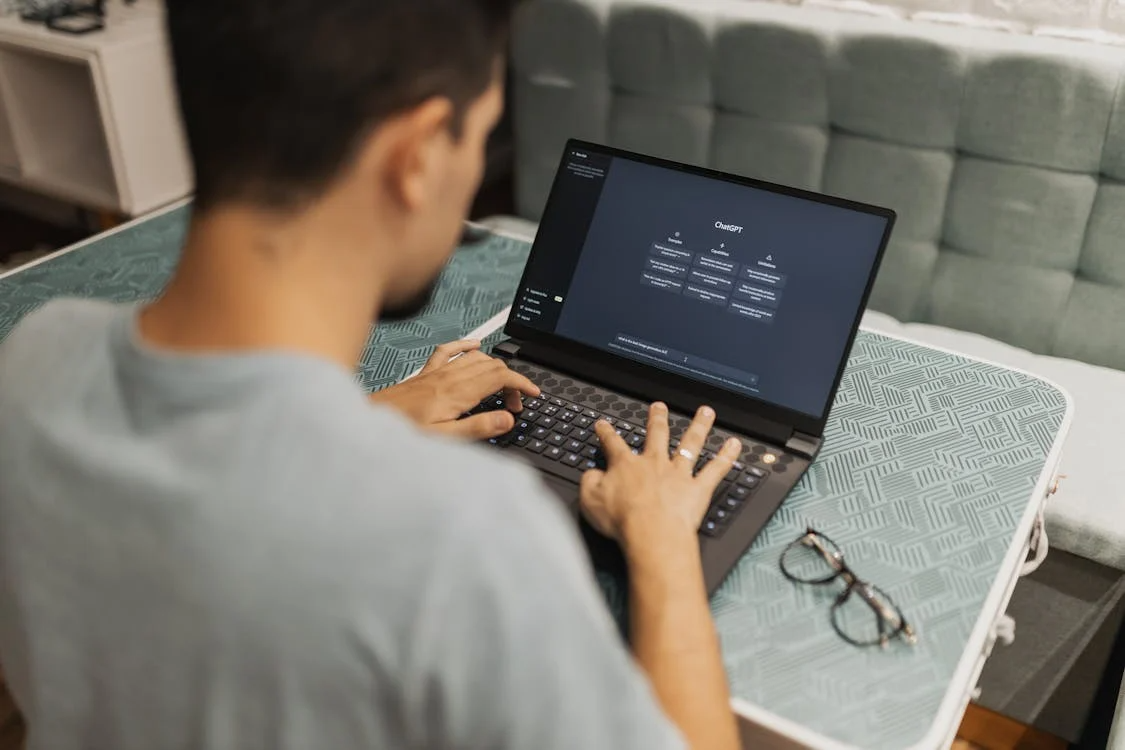
The tension is not about AI itself, but about how power, visibility, and trust are designed into these tools.
AI assistants at work have moved quickly from novelty to infrastructure in modern workplaces. They draft emails, summarize meetings, prioritize tasks, and surface insights that would otherwise take hours to compile. For many teams, these tools feel like a natural extension of productivity software. Helpful, efficient, and increasingly expected.
At the same time, unease lingers. The same systems that streamline work can also observe it. As AI assistants become more embedded in daily workflows, questions arise about where support ends and monitoring begins.
Why AI Assistants Feel Immediately Useful
AI assistants succeed because they reduce friction in familiar pain points. Writing, organizing, searching, and summarizing are tasks that drain time without always creating value. Automating these functions feels like relief.
Users don’t need to change how they think about work. They get help doing it faster. The assistant adapts to existing habits rather than demanding new ones. This low barrier to adoption explains why these tools spread quickly.
When AI assistants work well, they fade into the background. Output improves, time pressure eases, and cognitive load decreases. Productivity gains feel personal rather than imposed.
Explore How AI Is Quietly Powering the Tools You Use Every Day to understand seamless AI adoption.
The Data Required to Be Helpful
To function effectively, AI assistants need context. They analyze emails, documents, calendars, chats, and usage patterns. This access allows them to anticipate needs and provide relevant support.
From a technical standpoint, this is logical. From a human standpoint, it introduces ambiguity. Users may not know what data is being analyzed, how long it is stored, or who else can access the insights.
The assistant feels helpful, but its visibility is asymmetric. It sees more of the user than the user sees of it. This imbalance fuels concern, even when no misuse is intended.
Helpfulness depends on observation. Trust depends on boundaries.
When Productivity Metrics Start to Shift
AI assistants can surface patterns that were previously invisible. Response times, activity levels, collaboration frequency, and output trends can be easily quantified.
For individuals, this can be empowering. Feedback arrives faster. Bottlenecks become clearer. Self-improvement feels supported rather than judged.
Problems arise when these metrics are repurposed. What helps a worker optimize can also help an organization monitor. Without clear limits, productivity data can slide into performance surveillance.
The difference is not in the data itself, but in how it is framed and applied.
Read The Tech Habits That Signal a High-Performing Team for context on how metrics influence behavior.
The Risk of Invisible Evaluation
One of the greatest concerns with AI assistants is the lack of transparency in evaluation. When users are unsure how their behavior is interpreted, anxiety grows.
People may change how they work, not to be effective, but to appear effective. This mirrors earlier issues with activity tracking and presenteeism, now amplified by automation.
When evaluation is opaque, trust erodes. Even helpful tools begin to feel intrusive. The assistant stops feeling like a collaborator and starts feeling like a witness.
Transparency becomes critical. Users need to know what is measured, why it matters, and how it will be used.
Check Why Burnout Is a Systems Problem, Not a Personal Failure for insight into evaluation-driven workplace anxiety.
Design Choices That Separate Support From Surveillance
The line between productivity and surveillance is drawn through design, not intent. Clear data boundaries, local processing, and user-controlled permissions all shape perception.
Systems that prioritize individual benefit over organizational oversight feel safer. Opt-in features, visible controls, and explicit limits reinforce trust.
When assistants explain their actions and surface only what users request, they remain tools rather than observers. When they quietly collect and analyze without clarity, suspicion follows.
Trust grows when users feel agency rather than exposure.
See Digital Trust Signals Users Rely On Without Realizing It to understand how trust is formed.
The Future Depends on Governance, Not Capability
AI assistants will only become more capable. The question is not whether they can observe work, but whether they should, and under what conditions.
Organizations that treat AI assistants as collaborative tools will need policies that protect autonomy and privacy. Those who treat them as monitoring systems risk long-term disengagement and resistance.
The difference will shape workplace culture. Productivity thrives in environments of trust, not constant evaluation.
AI assistants at work can be powerful allies. Whether they feel supportive or invasive will depend on how thoughtfully they are integrated into human systems.