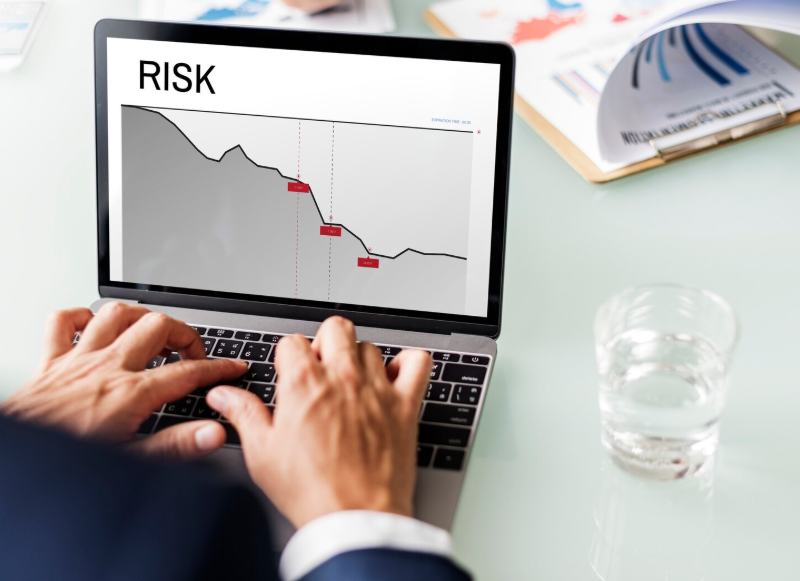
This shift reflects structural changes in work, costs, and risk. Side hustles are evolving from temporary boosts into permanent components of household financial planning.
Side hustles were once framed as optional extras. A way to earn a little more, pursue a passion, or experiment with entrepreneurship.
Today, they function differently. For many people, side income is no longer about ambition or hustle culture. It has become a stabilizing layer in an increasingly fragile financial system.
Stability Is No Longer Guaranteed by a Single Income
Traditional employment once offered predictability. A full-time job covered essentials, while benefits and raises provided gradual security. That assumption no longer holds for many workers.
Layoffs arrive suddenly. Hours fluctuate. Wages lag behind living costs. Even high-skilled roles can feel precarious. In this environment, relying on a single income source feels risky, regardless of job title.
Side hustles distribute that risk. They provide an alternate stream that can absorb shocks when primary income falters. This redundancy mirrors how resilient systems are designed: not by preventing failure, but by limiting its impact.
Income diversification becomes a form of self-insurance.
Explore Why Emergency Funds Are a Mental Health Tool for insights on financial resilience.
Side Income as a Pressure Release Valve
Financial stress often builds quietly. Rising expenses, unexpected bills, and stagnant wages create pressure that doesn’t always trigger immediate crisis but erodes well-being over time.
Side hustles offer a release valve. Even modest additional income can reduce anxiety by restoring a sense of agency. The amount matters less than the option.
Knowing there is a way to earn outside formal employment changes how people experience risk. Decisions feel less binary. Setbacks feel less final.
Side income provides psychological safety as much as financial relief.
Read The Psychology of ‘Safe’ Money Choices for behavioral framing.
Technology Lowers the Barrier to Participation
The growth of side hustles is closely tied to technology. Platforms reduce friction by handling payments, discovery, and logistics.
People can monetize skills, assets, or time without building full businesses. Freelance marketplaces, creator tools, and on-demand services make participation accessible.
This accessibility shifts expectations. Side income is no longer reserved for entrepreneurs. It becomes a normal extension of work life.
As barriers drop, side hustles integrate into financial planning rather than sitting on the margins.
See The Future of Work Isn’t Remote, It’s Modular to understand structural labor shifts.
From Extra Cash to Core Planning
What distinguishes today’s side hustles from earlier eras is permanence. Many people plan around them intentionally.
Side income covers specific expenses, funds savings goals, or acts as a buffer against volatility. It is accounted for, not treated as a bonus.
This integration changes behavior. People choose flexible hustles they can sustain rather than ones they can maximize. Reliability matters more than growth.
Side hustles become infrastructure when they are designed to last, not just spike.
The Tradeoffs of Always-On Earning
This shift is not without cost. Maintaining a side income requires time, energy, and cognitive bandwidth. Burnout is a real risk, especially when hustle is framed as an obligation rather than an option.
The healthiest side hustles align with existing skills or interests and allow for fluctuation. When income becomes rigid, the safety net can feel like another constraint.
Sustainability matters. Financial infrastructure should support life, not consume it.
The goal is resilience, not exhaustion.
Check out What Financial Independence Looks Like Without Extreme Frugality for balanced stability.
A Signal of Broader Systemic Change
The rise of side hustles as infrastructure signals deeper issues. When people feel compelled to layer income for basic stability, it reflects gaps in wages, benefits, and social safety nets.
This does not invalidate side hustles. It contextualizes them. They are adaptive responses to uncertainty rather than personal failings or excessive ambition.
As long as volatility remains high, side income will remain central rather than peripheral.
Side hustles are no longer about getting ahead. They are about staying steady.