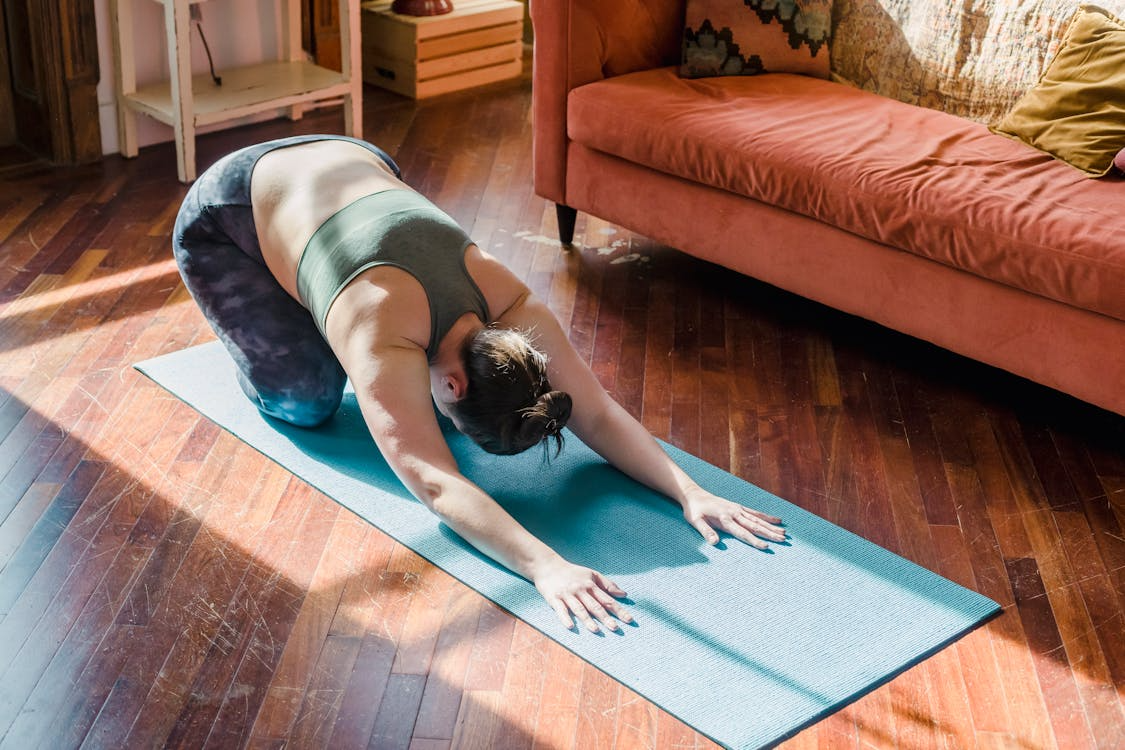
The wellness industry shift to practices reflects a growing recognition that well-being is not something people buy once. It is something they practice repeatedly.
For years, the wellness industry focused on products. Supplements, gadgets, subscriptions, and programs promised better health through consumption. While many of these offerings provided short-term benefits, they often failed to deliver lasting change.
Increasingly, the industry is pivoting away from selling things and toward cultivating behaviors.
Why Products Lost Their Promise
Wellness products thrive on novelty. New formulas, new devices, and new trends generate excitement and hope.
Over time, however, many users experienced diminishing returns. Supplements went unused. Gadgets collected dust. Subscriptions lapsed. The promised transformation rarely matched reality.
This fatigue revealed a deeper truth. Products alone cannot create sustainable wellbeing. Without habit change, tools lose effectiveness.
Consumers began to recognize that accumulation did not equal improvement.
Explore Why Optimization Culture Is Making People Tired to understand wellness fatigue.
Practices Build What Products Cannot
Practices focus on behavior rather than acquisition. Sleep routines, movement habits, stress regulation, and social connection cannot be outsourced to objects.
These practices compound over time. Small, repeated actions create durable change where one-time purchases cannot.
The shift toward practices reflects maturity. It acknowledges that wellbeing is not a shortcut problem, but a systems problem rooted in daily life.
Practices are less exciting to market, but far more effective to live.
Technology Shifts From Selling to Supporting
Technology hasn’t disappeared from wellness. Its role has changed.
Instead of positioning tools as solutions, many platforms now frame them as supports for existing practices. Apps guide routines rather than replace them. Wearables encourage awareness rather than promise transformation.
The value lies in reinforcement, not replacement. Technology nudges behavior, tracks progress, and provides feedback without claiming to do the work itself.
Supportive tools respect the user’s agency.
See How AI Is Being Used in Mental Health Tools Today for evolving support models.
Trust Grows Through Consistency, Not Claims
Wellness marketing once relied heavily on bold promises. Faster results. Better bodies. Happier minds.
As skepticism grew, trust shifted toward consistency. Practices that show gradual, realistic progress feel more credible than dramatic claims.
Users are less interested in peak performance and more interested in stability. They want systems that fit into real lives, not idealized routines.
The industry is learning that restraint builds trust better than hype.
Practices Emphasize Process Over Outcome
Outcome-driven wellness focuses on metrics. Weight, steps, streaks, scores.
Practice-driven wellness emphasizes process. Showing up. Repeating behaviors. Adjusting gently over time.
This reframing reduces pressure. People engage without constant self-evaluation. Progress feels supportive rather than judgmental.
Wellbeing becomes something experienced, not measured relentlessly.
Read Sleep as a Status Symbol in Modern Wellness for shifting performance narratives.
The Role of Community in Sustaining Practice
Practices endure when they are social. Shared routines, group accountability, and cultural norms reinforce behavior.
The wellness industry increasingly incorporates community elements. Challenges, group sessions, and shared reflection foster a sense of belonging.
Community shifts motivation from self-improvement to mutual support. This reduces burnout and increases adherence.
Well-being grows when it is practiced together.
Learn Why Community Is Becoming a Wellness Metric for deeper social insight.
A More Sustainable Model of Wellness
The move from products to practices marks a healthier direction. It aligns incentives with outcomes.
Practices require patience, but they deliver resilience. They adapt to life changes and scale with circumstance.
Wellness stops being something to purchase and starts being something to live.
This shift doesn’t eliminate products. It repositions them. Tools support practice. They no longer pretend to replace it.